
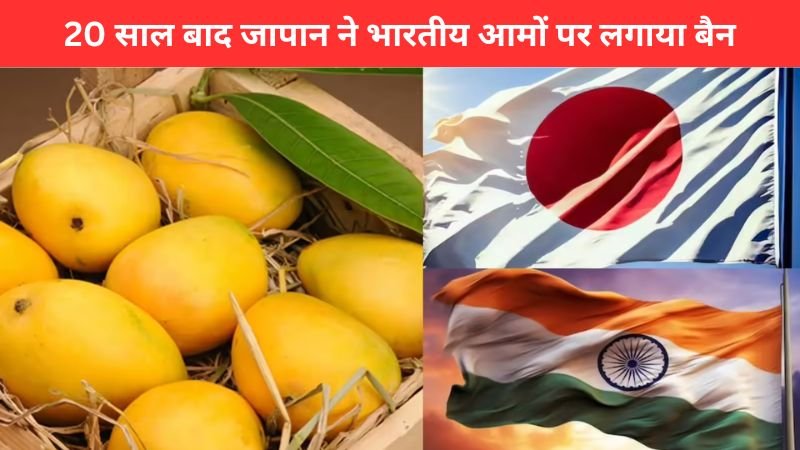
Japan Bans Indian Mangoes : जापान ने करीब 20 साल बाद भारत से आने वाले आमों के आयात पर रोक लगा दी है। जापानी क्वारंटीन अधिकारियों को भारत के कुछ ट्रीटमेंट सेंटरों में कीट नियंत्रण और डिसइन्फेक्शन प्रक्रिया में खामियां मिलीं, जिसके बाद यह फैसला लिया गया।
इस फैसले का सबसे ज्यादा असर Alphonso, Kesar, Langra और Banganapalli जैसे प्रीमियम भारतीय आमों के निर्यात पर पड़ा है।
जापानी अधिकारियों को क्या मिली गड़बड़ी?
हर साल आम के निर्यात सीजन से पहले जापान की टीम भारत के Vapour Heat Treatment (VHT) सेंटरों का निरीक्षण करती है। यह प्रक्रिया आमों में मौजूद कीड़ों और फ्रूट फ्लाई के लार्वा खत्म करने के लिए जरूरी होती है। इस साल मार्च 2026 में जापानी अधिकारियों ने उत्तर प्रदेश के रहमानपुर स्थित VHT सेंटर का निरीक्षण किया। जांच के दौरान फ्यूमिगेशन और डिसइन्फेक्शन प्रक्रिया में कई कमियां पाई गईं। इसके बाद जापान ने 25 मार्च 2026 के बाद जारी किए गए निरीक्षण प्रमाणपत्र वाले भारतीय आमों की एंट्री पर रोक लगा दी।
आम निर्यातकों और किसानों को बड़ा नुकसान
भारत दुनिया का सबसे बड़ा आम उत्पादक देश है और हर साल लगभग 28 मिलियन मीट्रिक टन आम का उत्पादन करता है। हालांकि ज्यादातर आम देश में ही खपत हो जाते हैं, लेकिन जापान जैसे प्रीमियम बाजारों में निर्यात से किसानों और व्यापारियों को बड़ा मुनाफा मिलता है। निर्यातकों का कहना है कि जापान की इस रोक से भारत की कृषि गुणवत्ता प्रणाली की छवि को नुकसान पहुंच सकता है। साथ ही अन्य देश भी भारतीय फलों की जांच को लेकर सख्ती बढ़ा सकते हैं।
पहले से संकट में थे आम किसान
महाराष्ट्र के Alphonso आम उत्पादक किसान पहले ही भारी नुकसान झेल रहे हैं। अत्यधिक गर्मी और एल नीनो प्रभाव के कारण इस साल आम की फसल बुरी तरह प्रभावित हुई है। कुछ सरकारी सर्वे में 85-90% तक फसल नुकसान की बात सामने आई है। ऐसे में जापान द्वारा लगाया गया यह प्रतिबंध किसानों और निर्यातकों के लिए बड़ा झटका माना जा रहा है।
Japan Bans Indian Mangoes After 20 Years, Big Blow To Exporters
Japan Bans Indian Mangoes : Japan has suspended the import of Indian mangoes after nearly 20 years. The decision came after Japanese quarantine officials found deficiencies in pest-control and disinfection procedures at some Indian treatment facilities.
The ban has mainly affected the export of premium Indian mango varieties such as Alphonso, Kesar, Langra, and Banganapalli.
What Problems Did Japanese Officials Find?
Before every mango export season, Japanese teams inspect India’s Vapour Heat Treatment (VHT) facilities. This process is necessary to eliminate insects and fruit fly larvae present in mangoes.
In March 2026, Japanese officials inspected the VHT facility located in Rehmanpur, Uttar Pradesh. During the inspection, several deficiencies related to fumigation and disinfection procedures were reportedly found. Following this, Japan announced that Indian mango shipments carrying inspection certificates issued after March 25, 2026, would no longer be accepted.
Big Loss For Exporters And Farmers
India is the world’s largest producer of mangoes, producing nearly 28 million metric tonnes every year. Although most mangoes are consumed within the country, exports to premium markets like Japan generate huge profits for farmers and traders. Exporters fear that Japan’s ban could damage the reputation of India’s agricultural quality-control system. They are also worried that other countries may tighten inspections on Indian fruit exports.
Mango Farmers Were Already Facing Crisis
Alphonso mango farmers in Maharashtra were already suffering heavy losses due to extreme heat and erratic weather caused by the El Nino effect. Government-backed surveys have estimated crop losses of up to 85-90% in some regions this year. In such a situation, Japan’s decision to suspend Indian mango imports is being seen as a major setback for farmers and exporters alike.
Japan Bans Indian Mangoes | indian mango export | vapour heat treatment | जापान आम बैन | आम किसानों का नुकसान