


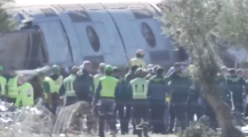
Spain Train Crash: स्पेन में दो हाई-स्पीड ट्रेनों की भीषण टक्कर के बाद सामने आई ऑडियो रिकॉर्डिंग ने रेलवे सुरक्षा व्यवस्था पर गंभीर सवाल खड़े कर दिए हैं। इस हादसे में कम-से-कम 68 लोगों की मौत होने और कई अन्य के घायल होने की खबर है। स्पेन के टोलेडो प्रांत के उर्दा के पास हुई इस दुर्घटना की जांच में रेलवे कंट्रोल सेंटर और ट्रेन चालकों के बीच हुई बातचीत अहम मानी जा रही है।
हादसे से पहले क्या हुआ था?
मीडिया रिपोर्टों के अनुसार, बुधवार सुबह रेलवे की स्वचालित सुरक्षा प्रणाली LZB में तकनीकी समस्या आई थी। इसके कारण कई ट्रेनों की आवाजाही प्रभावित हुई और कुछ ट्रेनों को रुकना पड़ा।
इसी दौरान मैड्रिड से सेविले जा रही Renfe की AVE ट्रेन के चालक ने कंट्रोल सेंटर से संपर्क किया। बातचीत के दौरान उसे सिस्टम को बंद करके दोबारा चालू करने और सामान्य गति से आगे बढ़ने का निर्देश दिया गया।
कुछ समय बाद Iryo ट्रेन की चालक ने भी कंट्रोल सेंटर को बताया कि ट्रेन उर्दा के पास प्रवेश सिग्नल से पहले खड़ी है और तकनीकी समस्या के कारण आगे नहीं बढ़ पा रही है।
ऑडियो रिकॉर्डिंग में क्या सामने आया?
स्पेनिश मीडिया संस्थानों द्वारा प्रकाशित रिकॉर्डिंग में ट्रेन चालकों और मैड्रिड के रेलवे कंट्रोल सेंटर के बीच हुई बातचीत सुनाई देती है। रिपोर्टों के मुताबिक, Renfe ट्रेन के चालक को सामान्य गति से आगे बढ़ने की अनुमति दी गई थी।
दूसरी ओर, Iryo ट्रेन की चालक ने दोबारा संपर्क कर बताया कि सुरक्षा प्रणाली की समस्या के कारण उसकी ट्रेन अब भी रुकी हुई है। इससे जांच में यह सवाल अहम हो गया है कि क्या कंट्रोल सेंटर को दोनों ट्रेनों की स्थिति की पूरी जानकारी थी और इसके बावजूद टक्कर रोकने के लिए पर्याप्त कदम क्यों नहीं उठाए गए।
हालांकि, दुर्घटना के लिए जिम्मेदारी तय करने और निर्देशों के पीछे की परिस्थितियों को स्पष्ट करने के लिए आधिकारिक जांच जरूरी है।
रेलवे सुरक्षा प्रणाली में खराबी की जांच
प्रारंभिक रिपोर्टों के अनुसार, LZB नामक स्वचालित ट्रेन सुरक्षा प्रणाली में आई खराबी ने रेलवे संचालन को प्रभावित किया था। यह प्रणाली ट्रेनों की गति और आवाजाही को नियंत्रित करने तथा असुरक्षित परिस्थितियों में दुर्घटनाओं का जोखिम कम करने में मदद करती है।
स्पेन के परिवहन मंत्री ऑस्कर पुएंते ने सामान्य गति से ट्रेन चलाने की अनुमति दिए जाने के फैसले पर सवाल उठाए हैं। जांचकर्ता तकनीकी खराबी, कंट्रोल सेंटर के निर्देशों और दोनों ट्रेनों के बीच संचार की पूरी प्रक्रिया की पड़ताल कर रहे हैं।
स्पेन में तीन दिन का राष्ट्रीय शोक
इस भीषण रेल दुर्घटना के बाद स्पेन में तीन दिन के राष्ट्रीय शोक की घोषणा की गई। बचाव दलों ने क्षतिग्रस्त डिब्बों में फंसे यात्रियों की तलाश और राहत कार्यों के लिए रातभर काम किया। हादसे में कई लोगों की मौत हुई और बड़ी संख्या में यात्री घायल हुए।
स्पेन के प्रधानमंत्री पेड्रो सांचेज ने दुर्घटना पर दुख जताते हुए कहा कि पूरा देश शोक में है। हादसे ने देश में रेलवे सुरक्षा और आपातकालीन व्यवस्था को लेकर चिंताएं बढ़ा दी हैं।
जांच में किन सवालों के जवाब तलाशे जा रहे हैं?
जांच एजेंसियां यह पता लगाने की कोशिश कर रही हैं कि सुरक्षा प्रणाली में खराबी कैसे आई, कंट्रोल सेंटर ने ट्रेनों को कौन-से निर्देश दिए और क्या निर्धारित सुरक्षा प्रक्रियाओं का पालन किया गया था।
टक्कर से पहले की ऑडियो रिकॉर्डिंग जांच के लिए महत्वपूर्ण साक्ष्य बन सकती है। हालांकि, दुर्घटना के सटीक कारण और जिम्मेदारी के बारे में अंतिम निष्कर्ष आधिकारिक जांच पूरी होने के बाद ही सामने आएंगे।
Spain Train Crash: Audio Recordings Reveal Exchanges Before Deadly Collision
Spain Train Crash: Audio recordings released by Spanish media have raised serious questions about railway safety procedures following a deadly collision between two high-speed trains near Urda, in Spain’s Toledo province. At least 68 people have been reported dead, with dozens more injured. Investigators are examining conversations between train drivers and the railway control centre in Madrid to understand the events leading up to the crash.
What Happened Before the Spain Train Crash?
According to media reports, a technical problem affected Spain’s LZB automatic train protection system on Wednesday morning, disrupting railway operations and forcing several trains to stop.
During the disruption, the driver of a Renfe AVE train travelling from Madrid to Seville contacted the railway control centre. The driver was instructed to disconnect and reconnect the system and resume the journey at normal speed.
Meanwhile, the driver of an Iryo train reported that the train was stationary near the entry signal at Urda and could not move because of a technical problem.
Audio Recordings Reveal Conversations Before the Collision
Audio recordings published by Spanish media outlets capture exchanges between train drivers and the control centre in Madrid.
According to the reports, the Renfe train driver was authorised to continue at normal speed. The Iryo train driver subsequently contacted the control centre again and reported that the train remained stationary because the security system could not be restarted.
These exchanges have raised questions about whether railway controllers fully understood the positions of both trains and whether sufficient action was taken to prevent the collision.
Investigators will need to establish the precise sequence of instructions and determine whether the applicable railway safety procedures were followed.
Investigation Focuses on Railway Safety System Failure
Initial reports indicate that a failure involving the LZB automatic train protection system disrupted railway operations before the collision.
The system helps regulate train movements and reduce the risk of collisions by controlling train speeds and movements along the railway line.
Spain’s Transport Minister, Óscar Puente, questioned the decision to allow a train to resume its journey at normal speed. Investigators are examining the technical failure, communications between the drivers and controllers, and the instructions issued before the crash.
The final cause of the collision and any responsibility for the incident remain subject to the investigation.
Spain Announces Three Days of National Mourning
Spain declared three days of national mourning following the disaster. Emergency crews worked through the night at the crash site, searching damaged carriages and assisting in rescue and recovery operations.
The collision killed at least 68 people and left dozens injured, according to reports. The scale of the disaster has renewed concerns about railway safety and emergency response procedures.
Spanish Prime Minister Pedro Sánchez expressed grief over the loss of life, saying the country was mourning the victims and their families.
Key Questions Investigators Must Answer
Investigators are examining how the safety system failed, what instructions were given to the two train drivers, and whether established safety protocols were followed.
The newly released audio recordings may provide important evidence about the minutes before the collision. However, the precise causes of the crash and the responsibility of those involved will only be established after the investigation is completed.