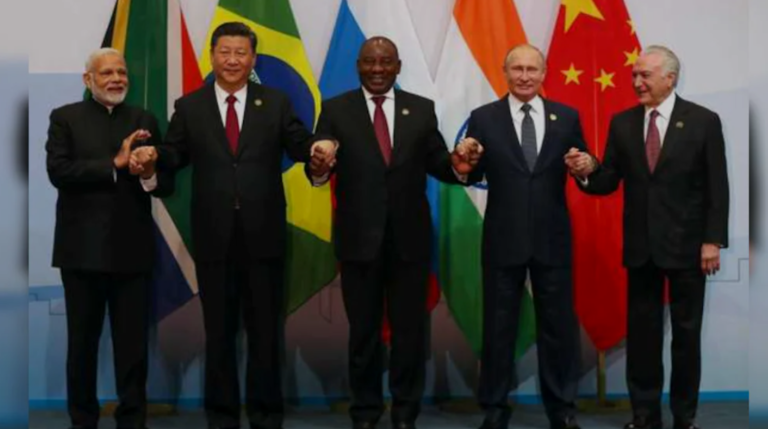

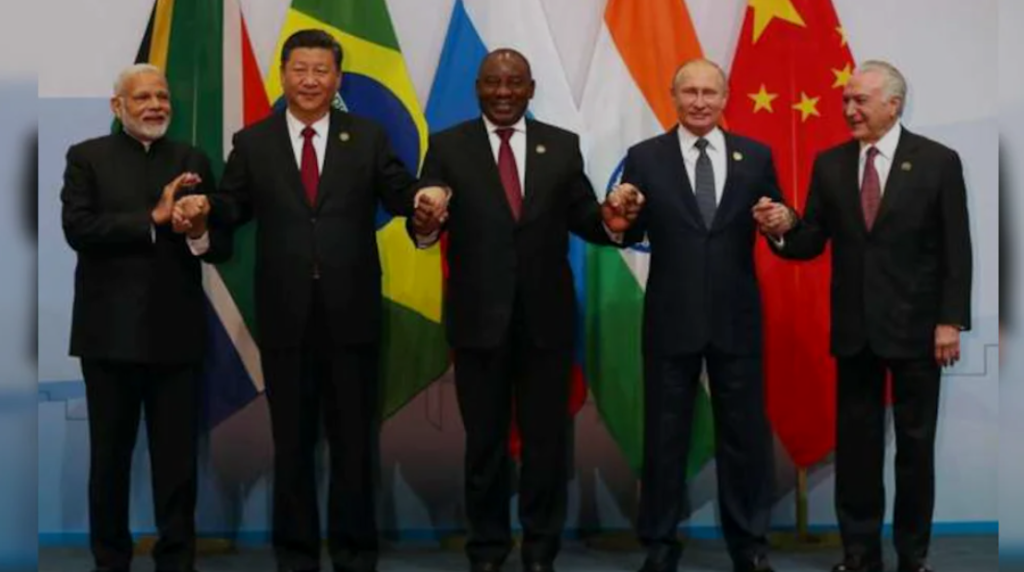
ऐसे समय में जब संगठन के भीतर भू-राजनीतिक मतभेद बढ़ रहे हैं, यह सम्मेलन BRICS के भविष्य के लिए बेहद अहम माना जा रहा है।
नई दिल्ली: भारत जल्द ही 18वें BRICS Summit 2026 की मेजबानी करने जा रहा है। यह महत्वपूर्ण शिखर सम्मेलन 12 और 13 सितंबर 2026 को नई दिल्ली में आयोजित होगा।
भारत के लिए यह अवसर बेहद खास है, लेकिन इसके साथ एक बड़ी कूटनीतिक चुनौती भी जुड़ी हुई है। हाल के वर्षों में BRICS के विस्तार के बाद संगठन का प्रभाव तो बढ़ा है, लेकिन अलग-अलग देशों के बीच बढ़ते भू-राजनीतिक मतभेदों ने सर्वसम्मति बनाना पहले से कहीं अधिक मुश्किल बना दिया है।
भारत इससे पहले 2012, 2016 और 2021 में BRICS शिखर सम्मेलन की मेजबानी कर चुका है। वर्ष 2026 में होने वाला दिल्ली सम्मेलन भारत के लिए विशेष महत्व रखता है, क्योंकि बदले हुए सदस्यता और मेजबानी चक्र के कारण भारत को अगली बार इस सम्मेलन की मेजबानी के लिए लंबा इंतजार करना पड़ सकता है।
BRICS Summit 2026 भारत के लिए क्यों महत्वपूर्ण है?
भारत ने नई दिल्ली में होने वाले BRICS सम्मेलन को सफल बनाने के लिए काफी राजनीतिक और कूटनीतिक प्रयास किए हैं।
भारत की कोशिश होगी कि सम्मेलन के अंत में एक मजबूत और सर्वसम्मति से तैयार New Delhi Declaration सामने आए।
सम्मेलन में कई महत्वपूर्ण मुद्दों पर चर्चा और ठोस परिणाम सामने आने की उम्मीद है, जिनमें शामिल हैं:
- अंतरराष्ट्रीय व्यापार और वाणिज्य
- विकास सहयोग
- जलवायु परिवर्तन
- वैकल्पिक व्यापार भुगतान व्यवस्था
- उभरती अर्थव्यवस्थाओं के बीच सहयोग
- विकासशील देशों की वैश्विक आवाज को मजबूत करना
भारत के लिए यह सम्मेलन वैश्विक दक्षिण और उभरती अर्थव्यवस्थाओं के बीच अपनी कूटनीतिक भूमिका को मजबूत करने का बड़ा अवसर हो सकता है।
BRICS के विस्तार ने बढ़ाई ताकत, लेकिन बढ़ीं चुनौतियां भी
हाल के वर्षों में BRICS का विस्तार हुआ है और संगठन पांच सदस्यों से बढ़कर 11 सदस्य देशों वाला समूह बन गया है।
नए सदस्यों के शामिल होने से BRICS की आर्थिक, राजनीतिक और भौगोलिक ताकत बढ़ी है। संगठन अब दुनिया के विभिन्न क्षेत्रों का व्यापक प्रतिनिधित्व करता है।
लेकिन बड़ी सदस्यता अपने साथ नई चुनौतियां भी लेकर आई है।
अलग-अलग देशों की विदेश नीति, रणनीतिक हित और वैश्विक मुद्दों पर अलग-अलग राय होने के कारण किसी संवेदनशील मुद्दे पर सर्वसम्मति बनाना मुश्किल हो गया है।
नए सदस्य पूरी तरह से संगठन के साथ तालमेल बना पाते, उससे पहले ही दुनिया गंभीर भू-राजनीतिक तनावों और संघर्षों का सामना करने लगी।
ऐसी परिस्थितियों में BRICS के कुछ सदस्य देशों के हित और राजनीतिक रुख एक-दूसरे से अलग दिखाई देते हैं।
भारत के सामने सर्वसम्मति बनाने की चुनौती
BRICS Summit 2026 में भारत के सामने सबसे बड़ी चुनौती सदस्य देशों के बीच सहमति बनाना होगी।
BRICS में बड़े फैसले और संयुक्त घोषणाएं आमतौर पर सदस्य देशों की सहमति पर निर्भर करती हैं। ऐसे में जब देशों के बीच वैश्विक मुद्दों पर मतभेद हों, तो साझा बयान तैयार करना आसान नहीं होता।
भारत को एक मेजबान के रूप में बेहद संतुलित कूटनीति अपनानी होगी।
नई दिल्ली की कोशिश होगी कि राजनीतिक और भू-राजनीतिक मतभेद सम्मेलन के मुख्य उद्देश्यों पर हावी न हों।
भारत व्यापार, विकास, जलवायु परिवर्तन और आर्थिक सहयोग जैसे मुद्दों पर सदस्य देशों के बीच साझा सहमति बनाने की कोशिश कर सकता है।
दिल्ली BRICS सम्मेलन तय कर सकता है संगठन का भविष्य
BRICS Summit 2026 New Delhi का परिणाम संगठन की भविष्य की दिशा पर बड़ा असर डाल सकता है।
अगर सदस्य देश महत्वपूर्ण मुद्दों पर सहमति बनाकर एक मजबूत घोषणा जारी करने में सफल रहते हैं, तो यह साबित होगा कि बढ़ती सदस्यता और मतभेदों के बावजूद BRICS प्रभावी तरीके से काम कर सकता है।
वहीं, यदि प्रमुख मुद्दों पर सहमति नहीं बन पाती है, तो संगठन की कार्यक्षमता और भविष्य को लेकर सवाल उठ सकते हैं।
इसलिए नई दिल्ली में होने वाला सम्मेलन सिर्फ एक कूटनीतिक बैठक नहीं है। यह BRICS की विश्वसनीयता और भविष्य के लिए एक महत्वपूर्ण परीक्षा हो सकता है।
क्या भारत BRICS की चुनौती से निकल पाएगा?
भारत के सामने इस सम्मेलन में अवसर भी है और चुनौती भी।
मेजबान देश के रूप में भारत को अलग-अलग हितों वाले सदस्य देशों के बीच संतुलन बनाना होगा। भारत की कूटनीतिक भूमिका यह तय करने में महत्वपूर्ण हो सकती है कि सम्मेलन मतभेदों में उलझता है या सहयोग के नए रास्ते खोलता है।
सम्मेलन की सफलता इस बात पर निर्भर करेगी कि क्या BRICS के सदस्य देश अपने राजनीतिक मतभेदों से ऊपर उठकर व्यापार, अर्थव्यवस्था और विकास जैसे व्यावहारिक मुद्दों पर सहमति बना पाते हैं।
India Faces a BRICS Challenge Ahead of BRICS Summit 2026 in New Delhi
India will host the 18th BRICS Summit in New Delhi on September 12-13, 2026, at a time when the expanded grouping faces major geopolitical divisions and challenges in building consensus.
New Delhi: India is preparing to host the 18th BRICS Summit 2026 in New Delhi on September 12-13, marking the fourth time the country will host the high-profile gathering of emerging economies.
The upcoming India BRICS Summit 2026 comes at a particularly challenging moment for the organisation. BRICS, which has expanded significantly in recent years, is facing geopolitical tensions and internal differences that could test its unity, credibility and future direction.
India previously hosted BRICS summits in 2012, 2016 and 2021. The Delhi summit is especially significant because India’s next opportunity to host the summit will come only after a decade, following changes in the hosting cycle after the expansion of the grouping.
Why the BRICS Summit 2026 Is Important for India
India has invested considerable diplomatic and political effort into ensuring that the New Delhi summit delivers meaningful results.
New Delhi is expected to push for a consensus-based declaration and substantial outcomes on several important global issues, including:
- International trade and commerce
- Development cooperation
- Climate change
- Alternative trade payment arrangements
- Economic cooperation among developing countries
- Strengthening the voice of emerging markets
A successful New Delhi Declaration could strengthen India’s position as an important voice among emerging markets and developing countries.
BRICS Expansion Creates New Opportunities and Challenges
BRICS has undergone major changes since its expansion from five members to 11 members in recent years.
The expansion has increased the economic, political and geographical influence of the grouping. With more countries joining the organisation, BRICS now represents a broader range of emerging and developing economies.
However, the expansion has also created significant challenges.
The larger membership makes it more difficult to build consensus on sensitive international issues. Member countries have different strategic interests, foreign policy priorities and positions on major geopolitical conflicts.
Before the newly inducted members could fully integrate into the organisation, BRICS found itself dealing with serious global tensions that placed some members on opposing sides.
This has created one of the biggest tests for BRICS since the grouping began holding summits in 2009.
India Faces the Challenge of Building Consensus
For India, the biggest challenge at the BRICS Summit in New Delhi will be finding common ground among countries with sharply different geopolitical interests.
BRICS operates largely through consensus, making agreement among member nations essential for major decisions and joint declarations.
The challenge becomes even more complicated when members disagree on some of the world’s most divisive geopolitical issues.
India will therefore need to use diplomacy carefully to ensure that political differences do not overshadow areas where cooperation remains possible.
Trade, development, climate action and economic cooperation could become important areas where BRICS members may be able to find common ground.
Delhi Summit Could Shape the Future of BRICS
The outcome of the BRICS Summit 2026 in India could have a major impact on the future evolution of the organisation.
A successful summit with a strong consensus declaration would demonstrate that BRICS can remain effective despite its expanded membership and internal differences.
However, failure to reach agreement on key issues could raise questions about the grouping’s ability to function effectively as its membership continues to grow.
The Delhi Summit is therefore not just another diplomatic meeting for India. It could become an important moment in determining whether BRICS can transform its growing size and influence into meaningful global cooperation.
Can India Find a Way Through the BRICS Challenge?
India enters the summit with an opportunity as well as a difficult diplomatic challenge.
As host, New Delhi will attempt to balance competing interests while focusing discussions on areas where cooperation is possible. India’s diplomatic approach could play a crucial role in preventing geopolitical divisions from dominating the summit.
The success of the India BRICS Summit 2026 will likely depend on whether member countries can look beyond their differences and agree on practical economic and developmental priorities.
With the credibility and future of the expanded organisation at stake, the New Delhi summit could prove to be one of the most consequential BRICS meetings in the group’s history.