
नई दिल्ली। दिल्ली से मेरठ की ओर जाने वाले रास्ते पर बसा मोदीनगर आज गाजियाबाद जिले का एक प्रमुख औद्योगिक शहर है। लेकिन क्या आप जानते हैं कि इस शहर की पहचान एक ऐसे उद्योगपति से जुड़ी है, जिसने अपने कारोबारी सफर की शुरुआत महज 400 रुपये से की थी?
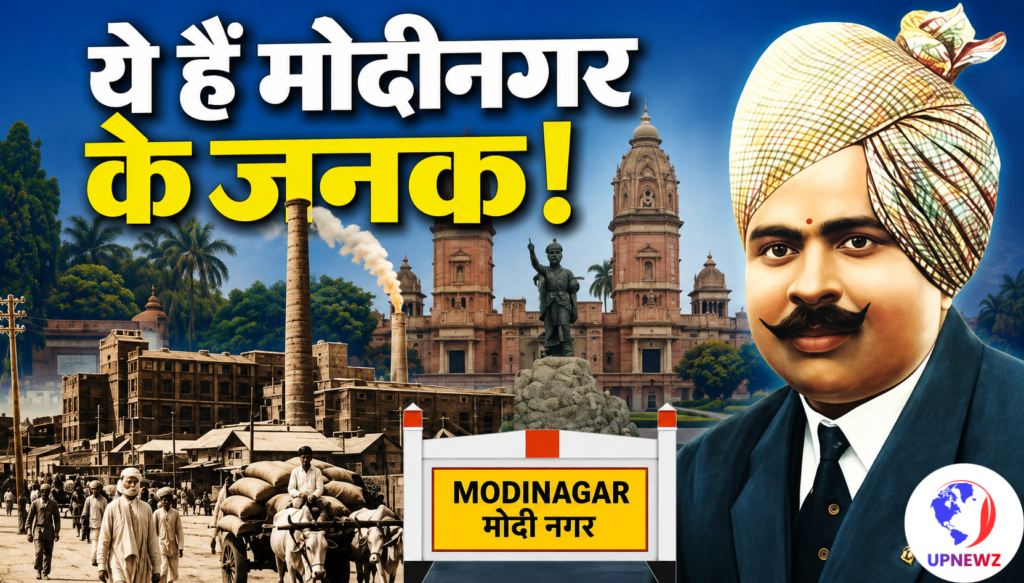
मोदीनगर का इतिहास गूजरमल मोदी की मेहनत, दूरदृष्टि और कारोबारी साहस से जुड़ा हुआ है। उन्होंने 1933 में बेगमाबाद में चीनी मिल स्थापित की और धीरे-धीरे यहां एक ऐसा औद्योगिक शहर विकसित किया, जिसमें चीनी, वनस्पति, साबुन, तेल, कपड़ा, पेंट, स्टील और कई अन्य उद्योग स्थापित हुए।
आज जिस शहर को हम मोदीनगर के नाम से जानते हैं, वह कभी बेगमाबाद नाम की एक छोटी बस्ती हुआ करता था। 1945 में इसका नाम बदलकर मोदीनगर किया गया।
कौन थे गूजरमल मोदी?
गूजरमल मोदी का जन्म 9 अगस्त 1902 को हुआ था। वह भारतीय उद्योगपति और समाजसेवी थे। उन्होंने अपने भाई केदार नाथ मोदी के साथ मिलकर मोदी ग्रुप के औद्योगिक विस्तार की नींव रखी। 1933 में बेगमाबाद में स्थापित चीनी मिल उनके औद्योगिक सफर की महत्वपूर्ण शुरुआत बनी।
गूजरमल मोदी सिर्फ उद्योग लगाने वाले कारोबारी नहीं थे। उन्होंने अपने औद्योगिक शहर में कर्मचारियों के लिए आवास, स्कूल, अस्पताल और अन्य सुविधाएं विकसित करने पर भी ध्यान दिया। इस वजह से मोदीनगर धीरे-धीरे एक संगठित औद्योगिक टाउनशिप के रूप में विकसित हुआ।
गूजरमल मोदी की पहली नौकरी थी कैशियर की
गूजरमल मोदी का शुरुआती जीवन कारोबार से जुड़ा हुआ था। 1919 में उन्होंने अपने पिता की अनाज मिल में कैशियर के तौर पर काम शुरू किया। इसके बाद उन्होंने पारिवारिक कारोबार में अनुभव हासिल किया।
हालांकि, उनके जीवन में ऐसा दौर भी आया जब उन्हें निजी परेशानियों और मानसिक संघर्षों से गुजरना पड़ा। 1932 में उन्होंने खुद को दोबारा संभाला और नए कारोबारी अवसर की तलाश में निकल पड़े।
₹400 लेकर दिल्ली पहुंचे गूजरमल मोदी
गूजरमल मोदी की कहानी का सबसे दिलचस्प हिस्सा 1932 का है। वह करीब 400 रुपये लेकर दिल्ली पहुंचे और नए कारोबार की तलाश शुरू की। आखिरकार उन्होंने बेगमाबाद को अपने पहले स्वतंत्र बड़े कारोबारी प्रोजेक्ट के लिए चुना।
इसके बाद 1933 में यहां चीनी मिल स्थापित की गई। यही चीनी मिल आगे चलकर उस औद्योगिक साम्राज्य की नींव बनी, जिसे बाद में मोदी ग्रुप के नाम से जाना गया।
चीनी मिल की शुरुआत आसान नहीं थी। शुरुआती वर्षों में कारोबार को कई चुनौतियों का सामना करना पड़ा, लेकिन गूजरमल मोदी ने मुश्किल परिस्थितियों से निकलकर इसे मुनाफे वाले कारोबार में बदलने में सफलता हासिल की।
चीनी मिल से शुरू हुआ मोदी ग्रुप का विस्तार
1933 में चीनी मिल की स्थापना के बाद गूजरमल मोदी ने कारोबार को लगातार अलग-अलग क्षेत्रों में फैलाया।
1939 में उन्होंने वनस्पति निर्माण की इकाई शुरू की। इसके बाद साबुन, तेल, खाद्य उत्पाद, टिन, बिस्किट, कन्फेक्शनरी, पेंट, टेक्सटाइल, आटा, स्टील और अन्य क्षेत्रों में भी कारोबार बढ़ा।
गूजरमल मोदी के प्रमुख कारोबारी उपक्रम
- 1933: चीनी मिल
- 1939: वनस्पति निर्माण इकाई
- 1940: कपड़े धोने के साबुन का कारखाना
- 1941: टॉयलेट साबुन फैक्ट्री
- 1941: मोदी टिन फैक्ट्री
- 1941: मोदी फूड प्रोडक्ट्स
- 1944: मोदी ऑयल मिल्स
- 1945: बिस्किट और कन्फेक्शनरी प्लांट
- 1947: पेंट और वार्निश फैक्ट्री
- 1948: टेक्सटाइल मिल
- 1957: स्पिनिंग मिल
- 1959: आटा मिल
- 1960: डिस्टिलरी
- 1961: टॉर्च फैक्ट्री
- 1964: स्टील फैक्ट्री
- 1965: धागा मिल और मोदीपॉन
- 1971: मोदी रबर लिमिटेड
इन विभिन्न उद्योगों के विस्तार ने मोदीनगर को एक बड़े औद्योगिक केंद्र में बदलने में महत्वपूर्ण भूमिका निभाई।
1941 में साबुन कारोबार ने दिलाई बड़ी कामयाबी
गूजरमल मोदी के शुरुआती औद्योगिक प्रयोगों में साबुन कारोबार भी बेहद महत्वपूर्ण रहा। 1941 में उनकी टॉयलेट साबुन फैक्ट्री ने काम शुरू किया।
खास बात यह थी कि उन्होंने साबुन बनाने में इस्तेमाल होने वाले टैलो के विकल्प के तौर पर अपनी वनस्पति इकाई से मिलने वाली वनस्पति का इस्तेमाल किया। इस प्रयोग से तैयार साबुन कारोबार में सफल रहा।
बेगमाबाद से मोदीनगर कैसे बना?
आज के मोदीनगर को पहले बेगमाबाद के नाम से जाना जाता था। गूजरमल मोदी द्वारा यहां चीनी मिल और अन्य उद्योग स्थापित किए जाने के बाद यह क्षेत्र तेजी से औद्योगिक शहर में बदलने लगा।
1945 में इस औद्योगिक बस्ती का आधिकारिक नाम मोदीनगर रखा गया। गूजरमल मोदी की औद्योगिक उपलब्धियों और उनके द्वारा विकसित किए गए शहर के सम्मान में यह नाम रखा गया था। इसी दौरान पोस्ट ऑफिस, रेलवे स्टेशन और पुलिस स्टेशन का नाम भी बेगमाबाद से बदलकर मोदीनगर किया गया।
गाजियाबाद जिला प्रशासन भी मोदीनगर की स्थापना का श्रेय उद्योगपति गूजरमल मोदी को देता है और बताता है कि वर्तमान मोदीनगर की स्थापना 1933 में हुई थी।
सिर्फ उद्योग नहीं, शहर भी बसाया
गूजरमल मोदी की सबसे बड़ी उपलब्धियों में से एक यह थी कि उन्होंने सिर्फ फैक्ट्रियां स्थापित करने पर ध्यान नहीं दिया। उन्होंने कर्मचारियों और उनके परिवारों के लिए आवास, शिक्षा और स्वास्थ्य सुविधाओं के विकास पर भी जोर दिया।
मोदीनगर में स्कूल, अस्पताल, मंदिर, बाग और कर्मचारियों के लिए आवासीय क्षेत्र विकसित किए गए। इसी वजह से यह जगह महज फैक्ट्रियों का समूह न रहकर एक औद्योगिक टाउनशिप के रूप में विकसित हुई।
गूजरमल मोदी को मिला पद्म भूषण
गूजरमल मोदी को भारत के औद्योगिक विकास और सामाजिक क्षेत्र में योगदान के लिए कई सम्मान मिले। 1968 में उन्हें पद्म भूषण से सम्मानित किया गया। उसी वर्ष वह FICCI के अध्यक्ष भी बने।
22 जनवरी 1976 को हुआ निधन
गूजरमल मोदी का निधन 22 जनवरी 1976 को हुआ। उनके निधन के बाद मोदी परिवार के कारोबार का आगे विस्तार हुआ, लेकिन समय के साथ परिवार के अलग-अलग सदस्यों के बीच कारोबारी समूहों का विभाजन भी हुआ।
मोदीनगर आज भी गूजरमल मोदी की विरासत है
आज मोदीनगर सिर्फ गाजियाबाद जिले का एक शहर नहीं है, बल्कि यह भारत के औद्योगिक इतिहास का एक महत्वपूर्ण अध्याय भी है। एक समय 400 रुपये लेकर नए कारोबार की तलाश में निकले गूजरमल मोदी ने बेगमाबाद में चीनी मिल से शुरुआत की और देखते ही देखते इस इलाके को एक बड़े औद्योगिक केंद्र में बदल दिया।
इसी वजह से मोदीनगर का इतिहास गूजरमल मोदी के संघर्ष, कारोबारी सोच और औद्योगिक विरासत से गहराई से जुड़ा हुआ है।
History of Modinagar: How Gujarmal Modi Built an Industrial Empire With Just ₹400
New Delhi: Located on the Delhi-Meerut route, Modinagar is today one of the important industrial towns of Ghaziabad district in Uttar Pradesh. But behind the city’s name is the remarkable story of an industrialist who began his independent business journey with just ₹400.
The history of Modinagar is closely associated with Gujarmal Modi, who established a sugar mill in Begumabad in 1933. Over the following decades, his business expanded into multiple industries, including vanaspati, soap, oil, food products, textiles, paints, steel and more.
The area that is now known as Modinagar was once a settlement called Begumabad. In 1945, the industrial township was officially renamed Modinagar.
Who Was Gujarmal Modi?
Gujarmal Modi was born on August 9, 1902. He was an Indian industrialist and philanthropist who played a major role in establishing the Modi business group and developing Modinagar as an industrial township.
Together with his brother Kedar Nath Modi, he helped build the foundation of what would eventually become a diversified industrial group. The establishment of a sugar mill in Begumabad in 1933 became a major turning point in his business career.
Gujarmal Modi’s vision went beyond factories. He also developed housing, schools, hospitals and other facilities for workers and their families, helping transform the area into a planned industrial township.
Gujarmal Modi Started His Career as a Cashier
Gujarmal Modi’s early working life was connected with his family’s business. In 1919, he began working as a cashier at his father’s grain mill.
He spent years gaining practical experience in business. However, he also went through a difficult personal phase before rebuilding his confidence and deciding to pursue new business opportunities.
He Left Home With Just ₹400
One of the most fascinating chapters in Gujarmal Modi’s life came in 1932.
According to biographical accounts, he left for Delhi with around ₹400 in search of a viable business opportunity. After exploring different possibilities, he eventually selected Begumabad as the location for his first major independent venture—a sugar mill.
In 1933, the sugar mill was established. It became the foundation of the industrial development that would eventually turn Begumabad into Modinagar.
The early years were not easy. The sugar business faced several challenges, including market-related difficulties. However, Gujarmal Modi managed to overcome the initial problems and turn the venture into a successful business.
From a Sugar Mill to a Diversified Business Empire
The sugar mill was only the beginning.
In 1939, Gujarmal Modi expanded into vanaspati manufacturing. Soon afterward, his business interests moved into soap, oil, food products, biscuits, confectionery, paints, textiles, flour, steel and several other industries.
Major Businesses Started Under Gujarmal Modi
- 1933: Sugar mill
- 1939: Vanaspati manufacturing unit
- 1940: Washing soap factory
- 1941: Toilet soap factory
- 1941: Modi Tin Factory
- 1941: Modi Food Products
- 1944: Modi Oil Mills
- 1945: Biscuit and confectionery plant
- 1947: Paints and varnish factory
- 1948: Textile mill
- 1957: Spinning mill
- 1959: Flour mill
- 1960: Distillery
- 1961: Torch factory
- 1964: Steel factory
- 1965: Thread mill and Modipon
- 1971: Modi Rubber Limited
This diversification played a major role in transforming Modinagar into a major industrial center.
The Success of Modi’s Soap Business
One of Gujarmal Modi’s notable industrial successes came from the soap business.
His toilet soap factory began operations in 1941. He reportedly developed a method of manufacturing toilet soap without using tallow, traditionally used to help make soap cakes firm.
Instead, the factory used vanaspati produced by his own vanaspati manufacturing unit. The experiment proved successful and became another important part of his growing industrial business.
How Did Begumabad Become Modinagar?
The transformation from Begumabad to Modinagar is one of the most interesting parts of the city’s history.
When Gujarmal Modi established his sugar mill and expanded into other industries, the small settlement gradually developed into an industrial township.
In 1945, the industrial colony was officially named Modinagar in recognition of Gujarmal Modi and his contribution to its development. Historical records from the Modi family’s published material state that the names of the post office, railway station and police station were also changed from Begumabad to Modinagar.
The Ghaziabad district administration also records that the present-day Modinagar was established in 1933 by industrialist Gujarmal Modi.
Gujarmal Modi Built More Than Factories
Gujarmal Modi’s contribution to Modinagar was not limited to industrial development.
He developed worker housing and supported the creation of schools, hospitals, temples and gardens. This approach helped Modinagar evolve from an industrial site into a complete township where workers and their families could live and work.
Gujarmal Modi Was Awarded the Padma Bhushan
Gujarmal Modi was recognized for his contribution to India’s industrial growth and public welfare.
In 1968, he was awarded the Padma Bhushan by the Government of India. The same year, he also became president of the Federation of Indian Chambers of Commerce and Industry (FICCI).
Gujarmal Modi Died in 1976
Gujarmal Modi died on January 22, 1976. After his death, the Modi family’s business interests continued to grow, although the larger business group was eventually divided among different branches of the family.
Modinagar Still Carries Gujarmal Modi’s Legacy
The history of Modinagar is much more than the story of an industrial town. It is the story of how one entrepreneur’s vision transformed a small settlement into a major industrial township.
Gujarmal Modi’s journey—from working as a cashier to leaving for Delhi with ₹400, establishing a sugar mill in Begumabad and eventually building a diversified industrial empire—is one of the most fascinating chapters in the industrial history of Uttar Pradesh.