
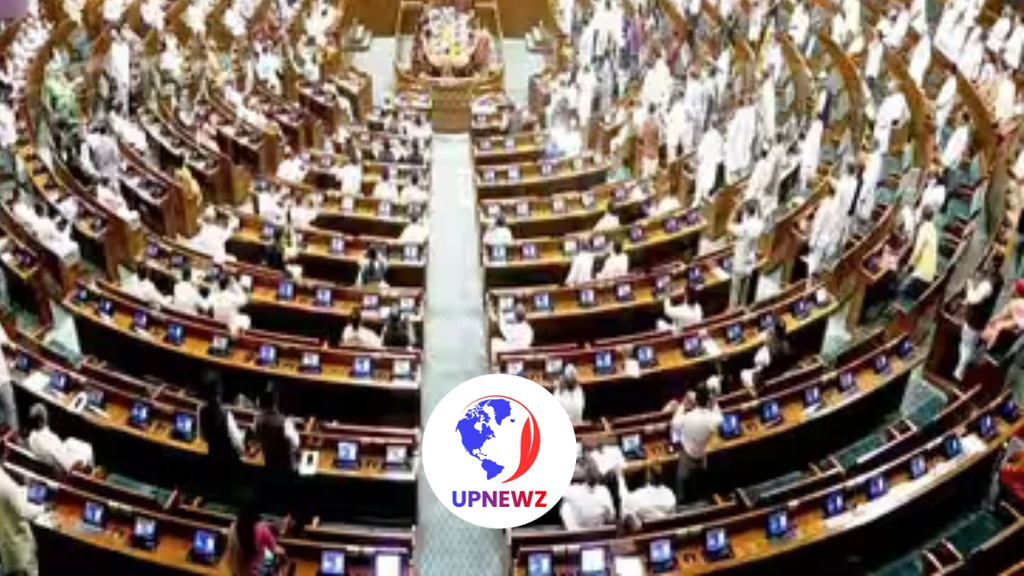
132nd Amendment Bill: केंद्र सरकार संसद और राज्य विधानसभाओं में महिलाओं को एक-तिहाई आरक्षण देने के लिए संविधान (132वां संशोधन) विधेयक, 2026 लाने की तैयारी कर रही है। यह विधेयक अप्रैल में लोकसभा में गिर चुके 131वें संविधान संशोधन विधेयक से कई मामलों में अलग है। नए प्रस्ताव में परिसीमन की प्रक्रिया, राज्यों के बीच सीटों का आवंटन और निर्वाचन क्षेत्रों की सीमाएं तय करने के लिए इस्तेमाल होने वाले जनगणना के आंकड़ों में बदलाव किया गया है।
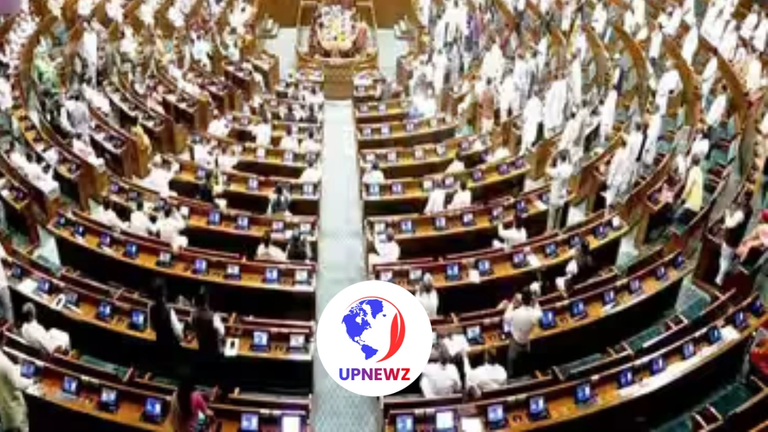
132वें संविधान संशोधन विधेयक में लोकसभा की अधिकतम सदस्य संख्या 850 करने का प्रस्ताव है। इसके अलावा सभी राज्यों और केंद्र शासित प्रदेशों की विधानसभाओं में सीटों की संख्या 50 प्रतिशत तक बढ़ाने, 2011 की जनगणना के आंकड़ों के आधार पर परिसीमन करने और नए सीट आवंटन को 2051 तक लागू रखने की व्यवस्था शामिल है।
132वें संशोधन विधेयक में क्या हैं 5 बड़े बदलाव?
1. लोकसभा की सीटें 850 तक बढ़ाने का प्रस्ताव
132वें संविधान संशोधन विधेयक के तहत लोकसभा की अधिकतम सदस्य संख्या बढ़ाकर 850 करने का प्रस्ताव है। इसमें राज्यों से अधिकतम 815 और केंद्र शासित प्रदेशों से 35 सदस्य शामिल होंगे।
इसके साथ ही राज्य विधानसभाओं में अधिकतम सीटों की सीमा 500 से बढ़ाकर 650 करने का प्रस्ताव रखा गया है।
नए विधेयक में प्रत्येक राज्य और केंद्र शासित प्रदेश की मौजूदा सीटों में समान रूप से 50 प्रतिशत की वृद्धि करने की व्यवस्था है। इससे लोकसभा में राज्यों की मौजूदा हिस्सेदारी लगभग पहले जैसी बनी रह सकती है।
2. परिसीमन के लिए 2011 की जनगणना के आंकड़ों का इस्तेमाल
नए विधेयक में परिसीमन के लिए इस्तेमाल होने वाले जनगणना के आंकड़ों को लेकर भी बदलाव किया गया है।
2023 के महिला आरक्षण कानून के तहत आरक्षण लागू करने की प्रक्रिया को कानून लागू होने के बाद होने वाली पहली जनगणना के आंकड़े प्रकाशित होने के बाद परिसीमन से जोड़ा गया था।
वहीं, 132वें संशोधन विधेयक में संशोधन लागू होने की तारीख पर उपलब्ध नवीनतम प्रकाशित जनगणना के आंकड़ों के आधार पर निर्वाचन क्षेत्रों की सीमाएं दोबारा तय करने का प्रस्ताव है। इसके तहत 2011 की जनगणना के आंकड़ों का इस्तेमाल किया जा सकता है।
3. नई सीटों का आवंटन 2051 तक लागू रहेगा
132वें संशोधन विधेयक में परिसीमन के बाद सीटों के नए आवंटन और निर्वाचन क्षेत्रों के पुनर्गठन को 2051 तक लागू रखने का प्रस्ताव है।
इसके अलावा लोकसभा, राज्य विधानसभाओं और केंद्र शासित प्रदेशों की विधानसभाओं में महिलाओं के लिए एक-तिहाई आरक्षण का प्रावधान भी शामिल है। इसमें अनुसूचित जाति (SC) और अनुसूचित जनजाति (ST) वर्ग की महिलाओं को भी आरक्षण दिया जाएगा।
प्रस्ताव के अनुसार, यह आरक्षण 2023 के संशोधन के लागू होने से 15 वर्षों तक प्रभावी रहेगा। हालांकि, संसद कानून बनाकर आरक्षण की अवधि को आगे बढ़ा सकती है।
महिलाओं के लिए आरक्षित सीटों के रोटेशन का तरीका और प्रक्रिया भी संसद तय करेगी।
4. नए परिसीमन आयोग का होगा गठन
इसके साथ लाए जा रहे परिसीमन (द्वितीय) विधेयक, 2026 में तीन सदस्यीय परिसीमन आयोग बनाने का प्रस्ताव है। इस आयोग की अध्यक्षता सुप्रीम कोर्ट के किसी मौजूदा या पूर्व न्यायाधीश द्वारा की जाएगी, जिनकी नियुक्ति केंद्र सरकार करेगी।
आयोग की जिम्मेदारी सीटों का आवंटन करने, निर्वाचन क्षेत्रों की सीमाएं दोबारा निर्धारित करने और महिलाओं के लिए आरक्षित सीटों की पहचान करने की होगी।
विधेयक के अनुसार, महिलाओं के लिए आरक्षित सीटों का रोटेशन आयोग द्वारा निर्धारित प्रक्रिया के अनुसार किया जाएगा। अनुसूचित जाति और अनुसूचित जनजाति की महिलाओं के लिए आरक्षित सीटों का रोटेशन संबंधित आरक्षित निर्वाचन क्षेत्रों के भीतर ही होगा।
5. अप्रैल में लोकसभा में गिर गया था 131वां संशोधन बिल
इससे पहले लाया गया 131वां संविधान संशोधन विधेयक 17 अप्रैल को लोकसभा में आवश्यक दो-तिहाई बहुमत हासिल नहीं कर सका था।
मतदान के दौरान 298 सांसदों ने विधेयक के पक्ष में और 230 सांसदों ने इसके विरोध में वोट दिया था। इसके बाद सरकार ने इससे जुड़े अन्य विधेयकों को आगे नहीं बढ़ाया था।
अब 132वें संविधान संशोधन विधेयक के जरिए केंद्र ने महिला आरक्षण और परिसीमन की प्रक्रिया को नए स्वरूप में आगे बढ़ाने का प्रस्ताव रखा है।
131वें और 132वें संशोधन बिल में क्या है अंतर?
दोनों विधेयकों के बीच सबसे बड़ा अंतर सीटों में बढ़ोतरी और परिसीमन के आधार को लेकर है। 131वें संशोधन विधेयक में सभी राज्यों के लिए समान 50 प्रतिशत सीट वृद्धि का प्रावधान नहीं था। वहीं, 132वें संशोधन विधेयक में प्रत्येक राज्य और केंद्र शासित प्रदेश के लिए 50 प्रतिशत सीटें बढ़ाने का प्रस्ताव शामिल किया गया है।
इसके अलावा नए प्रस्ताव में उपलब्ध नवीनतम जनगणना के आंकड़ों के आधार पर परिसीमन, 2051 तक सीटों के आवंटन को लागू रखने और नए परिसीमन आयोग के गठन का प्रावधान भी किया गया है।
केंद्र के नए प्रस्ताव में महिला आरक्षण के साथ लोकसभा और राज्य विधानसभाओं की सीटों की संख्या बढ़ाने तथा परिसीमन की प्रक्रिया में बदलाव पर जोर दिया गया है। अब इस प्रस्ताव को लेकर संसद में आगे की विधायी प्रक्रिया महत्वपूर्ण होगी।
modinagar news | ghaziabad news | ghaziabad news today | breaking news ghaziabad | uttar pradesk ki news | latest news | dishabhoomi news| upnewz | The Hindu | Cricket | Google news | 132nd Amendment Bill | 131st vs 132nd Amendment Bill | Women’s Reservation Bill 2026 | Delimitation Bill 2026 | Lok Sabha Seats 850 | 2011 Census Delimitation | Women’s Reservation in India | Delimitation Commission | Centre’s Delimitation Proposal
132nd Amendment Bill: 131st vs 132nd Amendment Bills, 5 Key Changes Explained
132nd Amendment Bill: The Centre is preparing to introduce the Constitution (132nd Amendment) Bill, 2026, to implement one-third reservation for women in Parliament, state legislatures and Union Territory assemblies through a fresh delimitation exercise.
The proposed legislation differs significantly from the Constitution (131st Amendment) Bill, which was defeated in the Lok Sabha in April. The major changes relate to delimitation, allocation of seats among states and the Census data that will be used to redraw constituencies.
The 132nd Amendment Bill proposes increasing the maximum strength of the Lok Sabha to 850 members. It also seeks a uniform 50 per cent increase in seats across state and Union Territory assemblies, the use of the latest available Census figures for delimitation and the continuation of revised seat allocations until 2051.
132nd Amendment Bill: 5 Major Changes Explained
1. Proposal to Increase Lok Sabha Strength to 850
The Constitution (132nd Amendment) Bill proposes increasing the maximum strength of the Lok Sabha to 850 members.
Under the proposal, up to 815 members would represent states, while 35 members would represent Union Territories.
The Bill also seeks to increase the maximum strength of state legislative assemblies from 500 to 650 members.
Unlike the earlier proposal, the fresh Bill provides for a uniform 50 per cent increase in seats for every state and Union Territory. This approach is expected to broadly preserve the existing share of seats held by individual states in the Lok Sabha.
2. 2011 Census Data May Be Used for Delimitation
Another major change concerns the Census data that can be used for delimitation.
Under the 2023 women’s reservation law, implementation of the quota was linked to delimitation following the publication of figures from the first Census conducted after the law came into force.
However, the fresh 132nd Amendment Bill proposes using the latest published Census figures available on the date the amendment comes into effect.
This provision allows constituency boundaries to be redrawn using the available Census data, including the 2011 Census figures.
3. Revised Seat Allocation to Remain Until 2051
The new proposal states that the revised allocation of seats and the division of constituencies following delimitation will remain in force until 2051.
The Bill also provides for one-third reservation for women in the Lok Sabha, state legislative assemblies and Union Territory assemblies.
The reservation will also cover women belonging to Scheduled Castes (SC) and Scheduled Tribes (ST).
The proposed reservation period is 15 years from the commencement of the 2023 amendment. However, Parliament will have the power to extend the period through legislation.
Parliament will also determine the authority and procedure for rotating seats reserved for women.
4. New Delimitation Commission to Oversee the Process
The accompanying Delimitation (Second) Bill, 2026, proposes the establishment of a three-member Delimitation Commission.
The commission will be headed by a serving or former Supreme Court judge appointed by the Centre.
Its responsibilities will include allocating seats, redrawing constituency boundaries and identifying constituencies to be reserved for women.
According to the proposal, seats reserved for women will be rotated as decided by the commission.
Seats reserved for SC and ST women will be rotated within constituencies already reserved for their respective categories.
5. Earlier 131st Amendment Bill Defeated in Lok Sabha
The earlier Constitution (131st Amendment) Bill was defeated in the Lok Sabha on April 17 after failing to secure the required two-thirds majority.
During the voting, 298 MPs supported the Bill, while 230 MPs voted against it.
Following the defeat, the government did not proceed with the accompanying legislation.
The fresh 132nd Amendment Bill now proposes a revised approach to implementing women’s reservation alongside changes to the delimitation process and legislative seat allocation.
131st vs 132nd Amendment Bills: What Are the Key Differences?
The biggest difference between the two proposals is the approach to increasing legislative seats and conducting delimitation.
The earlier 131st Amendment Bill did not provide for a uniform 50 per cent increase in seats across all states and Union Territories. The fresh 132nd Amendment Bill introduces this provision.
It also allows delimitation using the latest published Census figures available when the amendment comes into force.
Additionally, the new proposal seeks to keep revised seat allocations in effect until 2051 and establish a new three-member Delimitation Commission.
The Centre’s fresh proposal introduces major changes to women’s reservation, parliamentary seat allocation and delimitation. The proposed legislation could reshape the structure of legislative representation in India, subject to the parliamentary process.
modinagar news | ghaziabad news | ghaziabad news today | breaking news ghaziabad | uttar pradesk ki news | latest news | dishabhoomi news| upnewz | The Hindu | Cricket | Google news | 132nd Amendment Bill | 131st vs 132nd Amendment Bill | Women’s Reservation Bill 2026 | Delimitation Bill 2026 | Lok Sabha Seats 850 | 2011 Census Delimitation | Women’s Reservation in India | Delimitation Commission | Centre’s Delimitation Proposal